Building type
Industrial
Industrial buildings need goods and freight elevators specified for heavy, concentrated loads and demanding environments, where loading method matters as much as rated capacity. Prawita Karya supplies and maintains freight elevators for industrial facilities across Indonesia.
What this building type demands
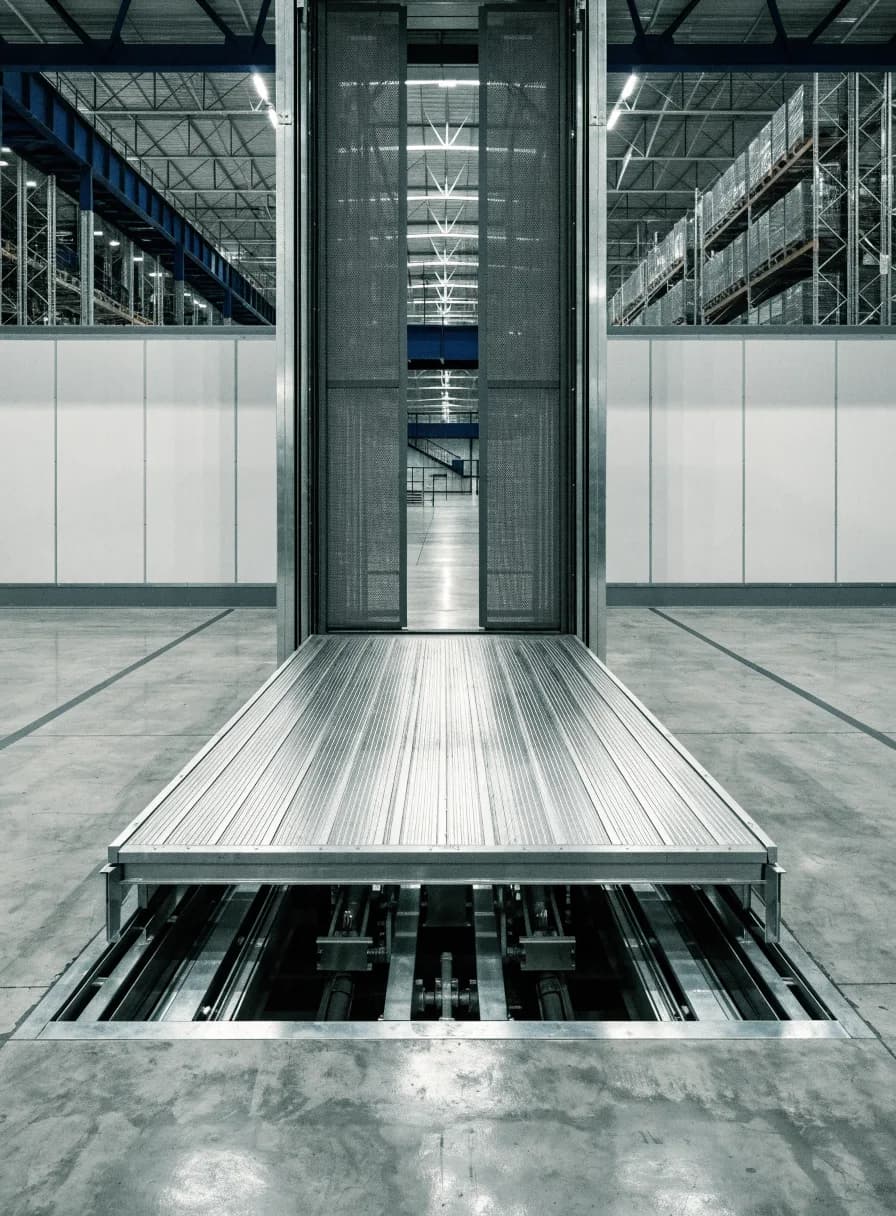
Freight elevator specification turns on how the load arrives, not only how much it weighs. A pallet placed centrally by hand and the same pallet driven on by a forklift impose very different demands, because the forklift's wheel loading concentrates force on the platform and the truck's own weight may enter the car.
Environment shapes the rest. Dust, humidity, washdown and temperature all affect equipment selection, and specifying a lift suited to a clean warehouse for a facility that is regularly hosed down produces early failures that look like poor build quality.
Duty cycle is the third factor. A goods lift in continuous production use works far harder than its rated capacity alone suggests, and both the specification and the maintenance interval should reflect that.
Challenges
What makes it difficult
Loading method, not just weight
Forklift loading concentrates force very differently from hand loading.
Harsh environments
Dust, humidity and washdown affect equipment selection.
High duty cycle
Continuous production use works equipment harder than capacity implies.
Downtime halts production
A goods lift out of service can stop a process line.
Solutions
How we address it
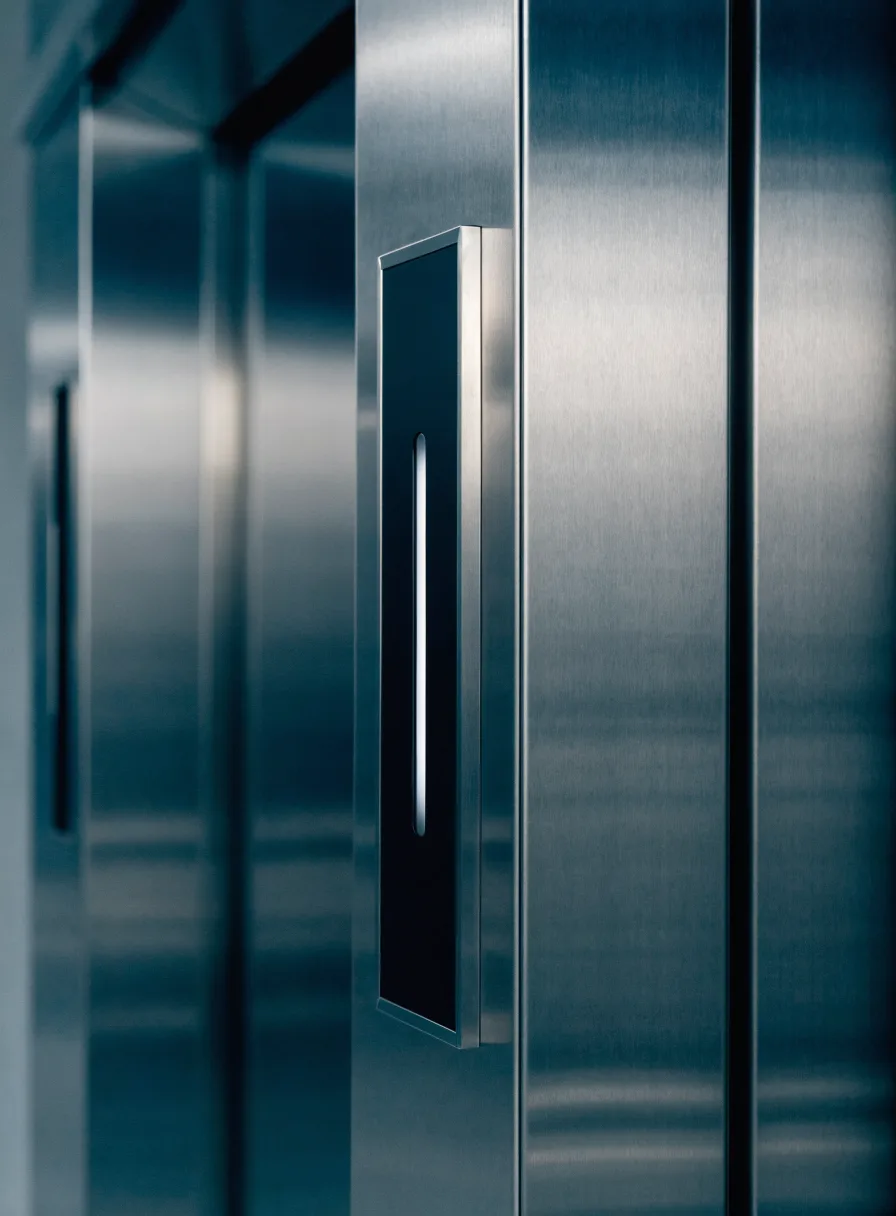
- Goods and freight elevators for heavy loads
- Specification for forklift or hand loading as required
- Equipment selected for the working environment
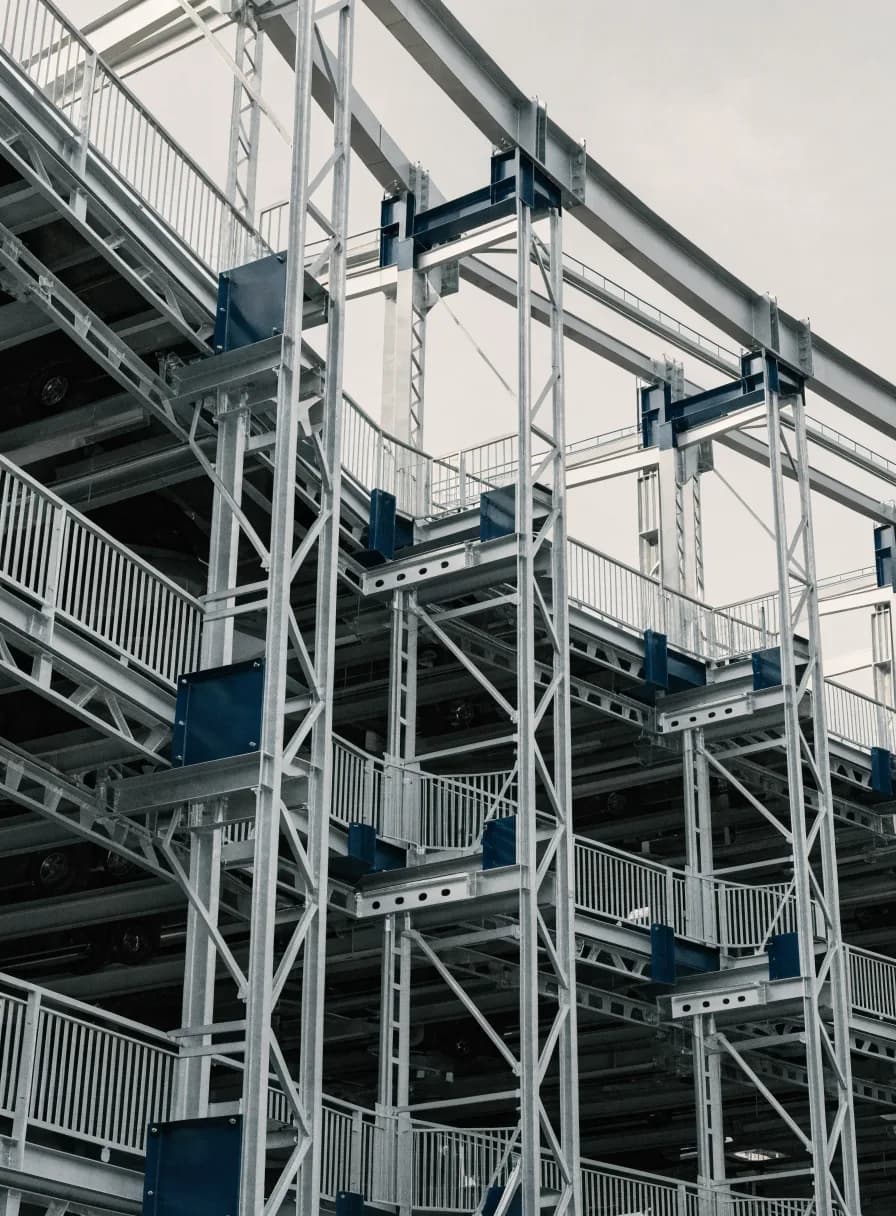
- Automated parking systems on constrained sites
- Maintenance intervals matched to duty cycle
- 24/7 emergency response
Services
Supporting services
FAQ
Common questions
What is the difference between a goods elevator and a passenger elevator?
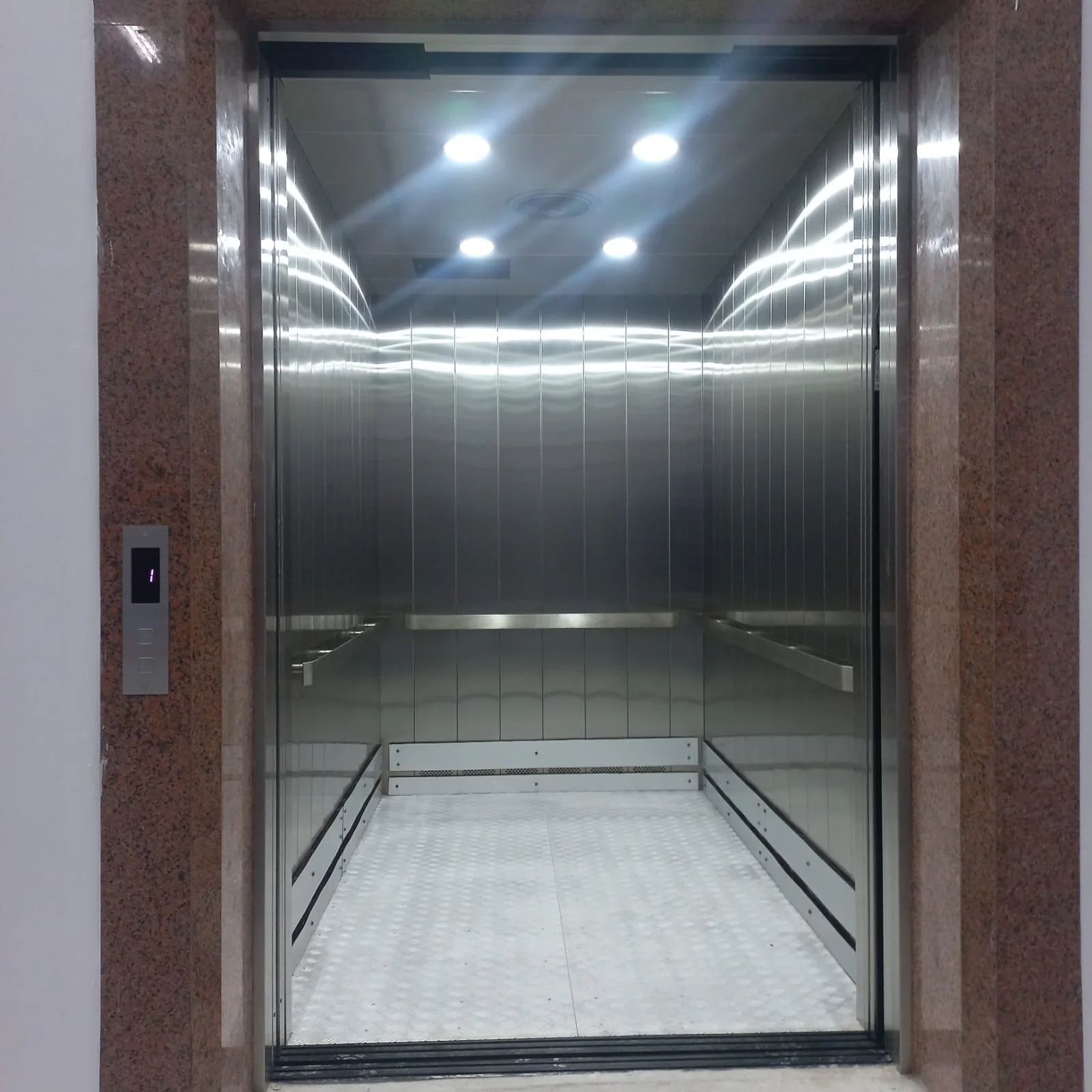
A goods elevator is built for load rather than for people: a stronger platform, wider doors, hard-wearing finishes and, where forklifts load it, a structure that tolerates concentrated wheel loading. Rated capacity alone does not describe it, because how the load arrives matters as much as its weight.
Does a freight elevator need to carry the forklift as well as the pallet?
Sometimes, and it is a decisive question. If a forklift drives into the car, its weight and wheel loading must be included in the specification. If it only places a pallet at the threshold, the requirement is considerably lighter.
How does the working environment affect equipment selection?
Dust, humidity, washdown and temperature all shorten the life of equipment not chosen for them. Specifying for the environment at the outset avoids failures that appear to be quality problems but are really specification ones.
Planning vertical transport for a industrial project?
Tell us about the building and our engineers will help you specify equipment that suits how it will actually be used.