Safety System
Passenger Safety
Elevator and escalator safety systems are the devices and procedures that protect passengers — door protection, overspeed and overload detection, emergency communication and controlled behaviour during a power failure. Prawita Karya supplies, inspects and maintains these systems.
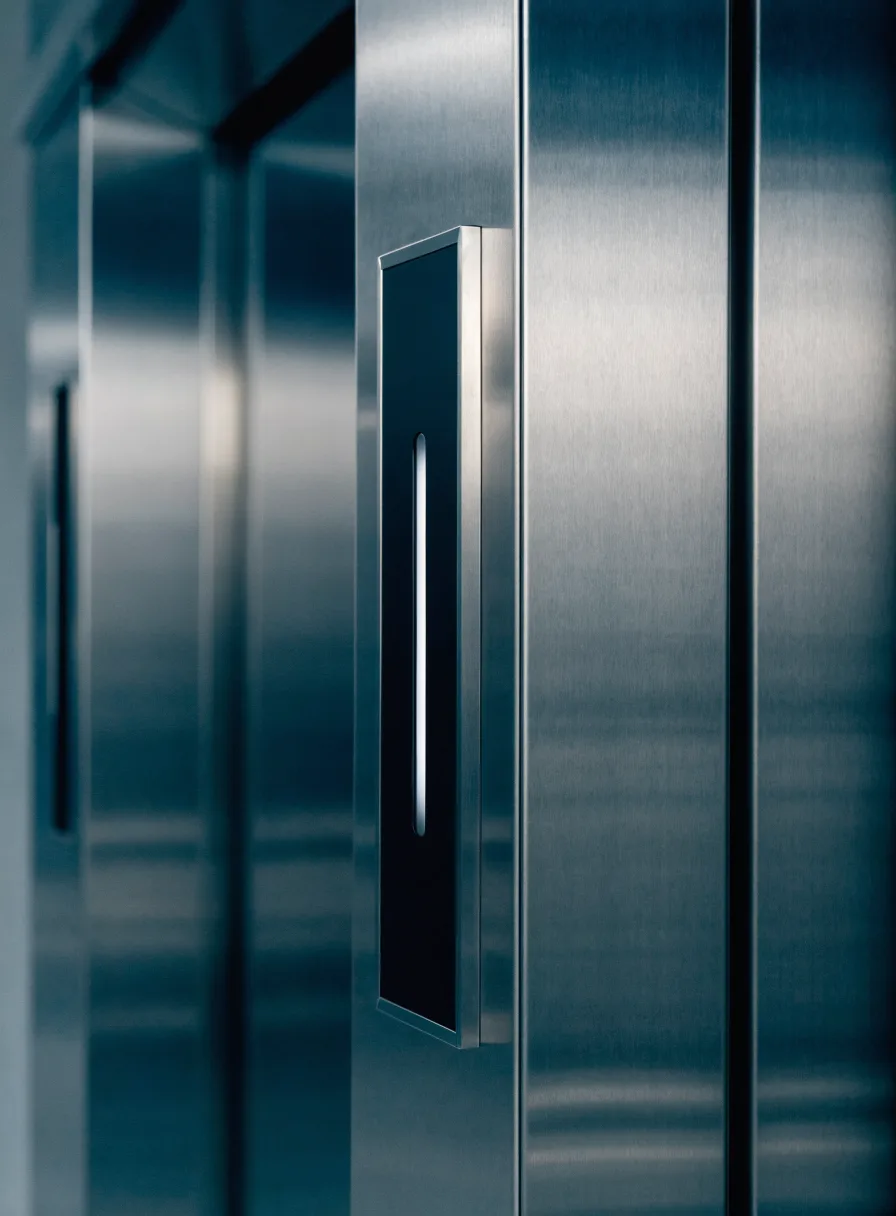
What to know about passenger safety
Safety in vertical transport is layered rather than singular. No one device is relied upon: door protection prevents contact, overspeed governors and safety gear arrest an uncontrolled car, buffers absorb terminal travel, and interlocks make it impossible to open a landing door onto an empty shaft.
Because these layers only matter in the moments they are needed, they must be tested on a schedule rather than assumed to work. A safety device that has silently failed is indistinguishable from one in working order until the day it is called upon.
Emergency communication deserves particular attention in Indonesian buildings. A trapped passenger needs a reliable route to someone who can respond, which means the line and the response procedure both need testing — not only the button.
Specifications
Technical data
Specifications are configured per project. Figures below are confirmed against the selected equipment during survey and specification.
- Brand
- 8 Mile Intelligent
- Escalator
- Safety detection system
- Elevator
- Safety detection system
- Analytics
- AI integrated
Applications
Where it is used
- New installations requiring commissioning and testing
- Existing equipment due for periodic safety inspection
- Modernization projects upgrading legacy safety devices
- Buildings preparing for regulatory inspection
Why Prawita Karya
What you get
Layered protection
Door protection, overspeed detection, interlocks and buffers working together.
Tested, not assumed
Scheduled verification so a silent failure is found before it matters.
Reachable in an emergency
Emergency communication and a response procedure that are both tested.
Projects
Related work
Services
Supporting services
FAQ
Common questions
What safety systems does an elevator have?
A modern installation layers several independent devices: door protection to prevent contact, an overspeed governor and safety gear to arrest an uncontrolled car, landing door interlocks, buffers at the terminals, overload detection, and emergency communication and lighting. Each is independent by design, so one failure does not defeat the others.
What happens if the power fails while I am in an elevator?
The car stops safely and holds — it does not fall; the brake engages when power is lost. Emergency lighting and communication are designed to remain available so passengers can call for help. Specific behaviour depends on the equipment and whether the building has standby power or an automatic rescue device fitted.
How often should safety devices be inspected?
On a defined periodic schedule, set against the manufacturer's requirements and applicable Indonesian regulations, and after any modernization or significant repair.
Specifying passenger safety for a project?
Send us the building and we will help you get the specification right before it is expensive to change.