Home Lift
Does a Home Lift Need a K3 Inspection in Indonesia?
Yes. Permenaker No. 6 of 2017 lists residential elevators among the lifts it covers, and that includes a lift in a private house. It requires inspection and/or testing: first to confirm the unit is safe and fit to operate, then at least once a year.
- Written by
- Tony Topan Sukotjo
- Bachelor of Electrical Engineering; Ahli K3 Spesialis Bidang Elevator & Eskalator
- Published
- Updated
- Reading time
- 5 min
What the regulation says
Permenaker No. 6 of 2017 on the occupational safety and health of elevators and escalators names residential elevators (Elevator rumah tinggal) in Article 5(1) among the types it covers. There is no exemption from inspection because the lift is in a home.
Article 68(1) requires inspection and/or testing of every activity from planning and manufacture through installation, use, maintenance and repair. Article 73(1) sets periodic inspection and/or testing at least once a year.
So a lift in a private house needs both the first inspection and the periodic ones.
Inspection and testing are not the same thing
Article 69 separates them. Inspection means observing, analysing, comparing, calculating and measuring the lift. Testing includes all of that, and adds tests of its operating capability, materials and construction.
Article 70 sets four occasions: first, periodic, special and repeat. For a homeowner, the first and the yearly periodic inspections are the two to plan around.
Who may install it
Article 53 requires installation by a company that meets the legal requirements, and Article 54 requires the work to be done by K3 technicians. In practice that means a contractor holding a PJK3 licence (SKP PJK3) for elevator installation, so that the work meets K3 standards.
Prawita Karya holds this licence, and its technicians and managers are certified. Ask any contractor to show theirs before you sign.
Who arranges the yearly inspection
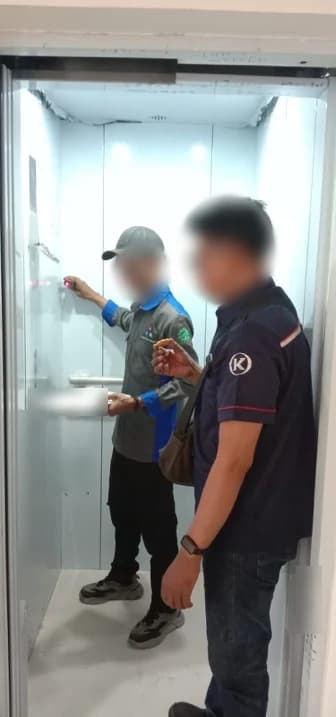
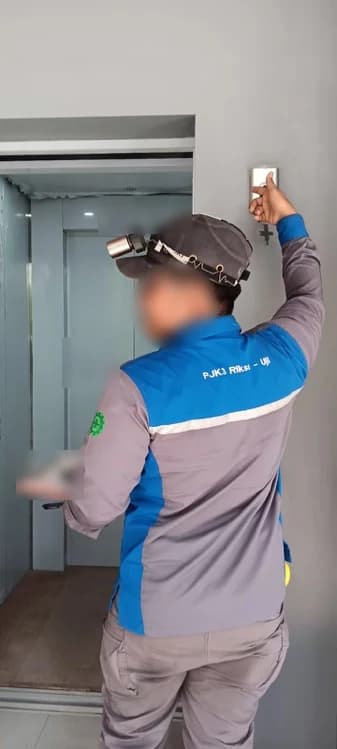
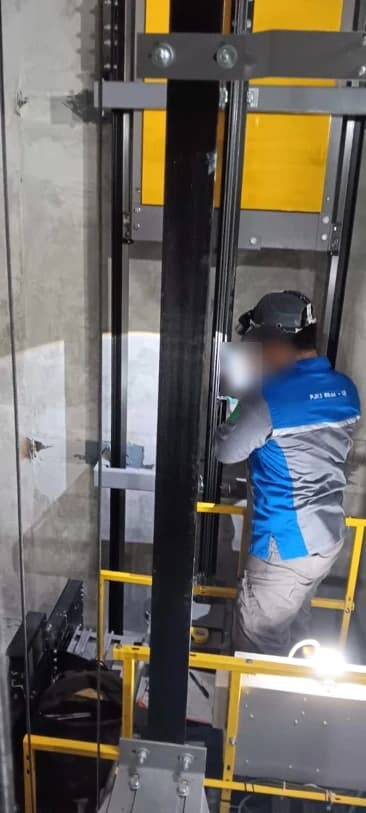
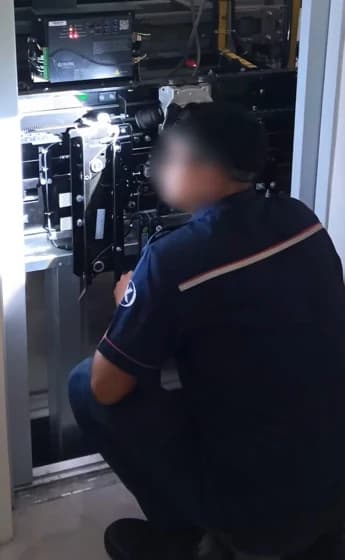
Prawita Karya takes the lift through its first inspection. After that, the yearly inspection is the owner's responsibility. If you have a maintenance contract with Prawita Karya, we remind you when it is due, but the decision stays with you.
What you get afterwards
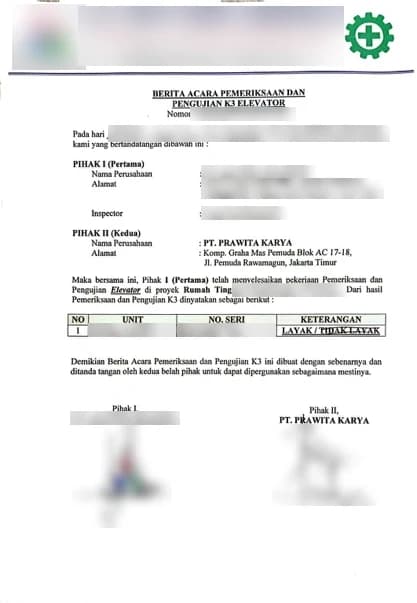
The inspection company issues a signed report (berita acara) stating whether the unit is fit to operate, and a certification sticker recording the type, serial number and the inspection and next inspection dates goes on the unit.
What an owner should check
- You have a copy of the signed report, marked fit to operate
- The sticker's serial number matches the unit
- The next inspection date is in your calendar
Sources
Where this comes from
- Permenaker No. 6 of 2017 — Occupational safety and health of elevators and escalators: Articles 5, 53, 54, 68, 69, 70 and 73.
- Prawita Karya engineering — Inspection practice on the company's projects.
FAQ
Common questions
Does the rule really apply to a lift in a private house?
Yes. Article 5(1) of Permenaker 6/2017 names residential elevators among the types it covers.
Is the inspection part of Prawita Karya's scope, or the owner's responsibility?
The first inspection is part of Prawita Karya's scope: from testing and commissioning through to passing the PJK3 inspection, the responsibility is ours. The yearly inspections after that are the owner's responsibility.
Who is responsible for the yearly inspection?
The owner. If you have a maintenance contract with Prawita Karya, we remind you when it is due, but the decision is yours.
How often must a home lift be inspected?
Periodic inspection and/or testing is required at least once a year, after the first inspection.
How do I know a lift has passed?
Ask for the signed report marked fit to operate, and look for the certification sticker on the unit with its next inspection date.