Maintenance
How Often Should an Elevator Be Maintained?
An elevator should be maintained on a fixed, planned interval rather than when a fault appears. The right interval depends on usage intensity, equipment type, age and environment — a hospital bed lift running continuously needs attention far more often than a low-rise office lift.
- Written by
- Calvin A. W
- Technical review
- Tommy C
- Published
- Updated
- Reading time
- 6 min
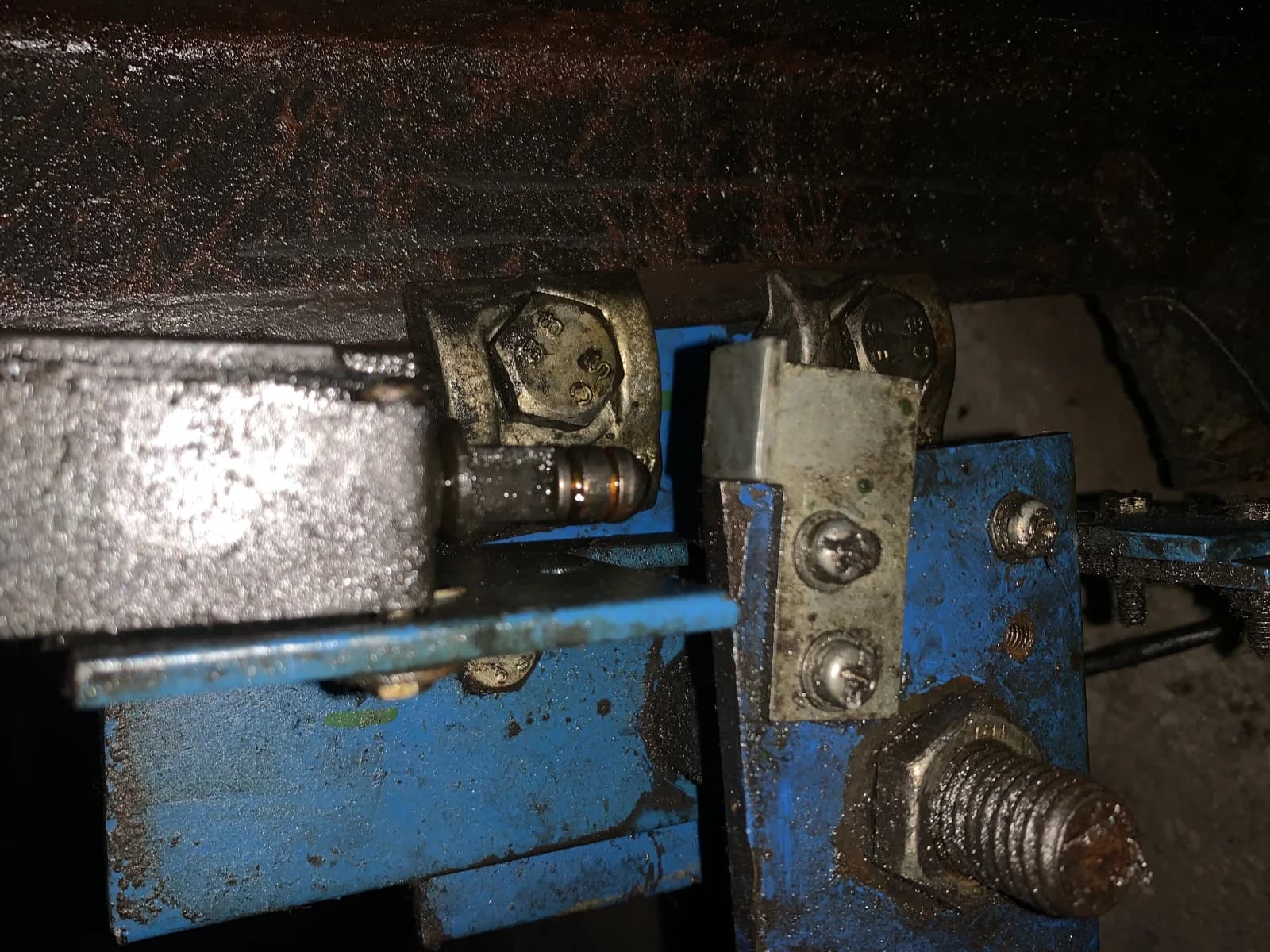
The interval follows duty, not the calendar
Elevator wear tracks use, not time. A lift making a few hundred trips a day accumulates door cycles, rope bending and brake operations at a completely different rate from one making a few thousand — and the door operator, which cycles on every single trip, wears fastest of all.
That is why a single blanket interval is the wrong mental model. The useful question is how hard the equipment works, not how long since someone last visited.
What pushes the interval shorter
Several factors independently increase how often equipment needs attention. In practice they compound: a hospital goods lift is usually the hardest-worked unit in any building.
Factors that increase frequency
- High trip counts — hospitals, transit stations, busy retail
- Heavy or rolling loads, including beds and trolleys
- Continuous operating hours rather than office hours
- Dust, humidity or washdown environments
- Older equipment, where tolerances have already drifted
- Safety-critical service where downtime is unacceptable
Why reactive maintenance costs more
Waiting for a fault looks cheaper per visit and is not. An emergency repair costs more in labour, and far more in parts availability — a component that could have been ordered on a planned schedule becomes an urgent order at whatever lead time exists.
The larger cost is usually the building rather than the lift. An elevator out of service in a hotel, hospital or office tower disrupts everything around it, and that disruption rarely appears in the maintenance line of a budget.
Setting the interval for your building
The interval should be set against the manufacturer's schedule for the equipment, applicable Indonesian regulations, and the actual duty the units see. It is worth reviewing it after the first year, once real measurements exist for that specific installation.
Sources
Where this comes from
- SJEC equipment documentation — Manufacturer maintenance schedules.
- Prawita Karya maintenance records — Observed wear patterns across serviced equipment.
FAQ
Common questions
Is there a legal minimum maintenance interval in Indonesia?
Periodic inspection of lifts and escalators is regulated, and the applicable requirements should be confirmed for your building and equipment type. Manufacturer schedules and regulatory intervals are separate obligations; meeting one does not automatically satisfy the other.
Can maintenance be reduced on a lightly used lift?
The interval can be longer, but it should not be abandoned. Safety devices need periodic verification regardless of how little the lift runs, and lightly used equipment has its own failure modes — lubricant migration and corrosion in particular.
Does a maintenance contract cover breakdowns?
It depends on the contract. Planned preventive visits, corrective repair and emergency attendance are commonly separable, so it is worth confirming which are included and what response time applies.